
Just lost a
loved one
Losing someone you love is overwhelming. In the midst of grief, you're faced with decisions and arrangements that may feel impossible to navigate. Please know that you don't have to figure everything out at once, and you don't have to do it alone. This guide will walk you through the immediate steps ahead, one at a time.
What Needs to Happen First
In the first hours and days after a death, there are some essential steps to take care of. These practical matters help set everything else in motion.
The first thing you should do is contact a funeral director. They will guide you through the next steps and can help transport your loved one into their care. It’s important to know that you don't need to stick with the first funeral home you call - it's okay to ask questions and find someone you feel comfortable with.
If your loved one passes away in hospital or under medical care, an attending doctor will issue a Medical Certificate verifying the death and the associated causes. For deaths at home, the deceased’s family doctor will need to be contacted and this may done by you or your chosen funeral director. For sudden or unexpected deaths call 111.
Registering the death. Your funeral director will typically help you with this, but the death must be registered within three working days of the burial or cremation taking place.
Note: In New Zealand a death cannot be registered until the day of the burial or cremation.
Notify close family and friends. This is emotional work. Don't hesitate to ask someone you trust to help make these calls if you need to.
The first thing you should do is contact a funeral director. They will guide you through the next steps and can help transport your loved one into their care. It’s important to know that you don't need to stick with the first funeral home you call - it's okay to ask questions and find someone you feel comfortable with.
If your loved one passes away in hospital or under medical care, an attending doctor will issue a Medical Certificate verifying the death and the associated causes. For deaths at home, the deceased’s family doctor will need to be contacted and this may done by you or your chosen funeral director. For sudden or unexpected deaths call 111.
Registering the death. Your funeral director will typically help you with this, but the death must be registered within three working days of the burial or cremation taking place.
Note: In New Zealand a death cannot be registered until the day of the burial or cremation.
Notify close family and friends. This is emotional work. Don't hesitate to ask someone you trust to help make these calls if you need to.
Choosing a Funeral Director
Your funeral director will become your main point of contact through this process. They'll handle the practical arrangements, help you understand your options, and ensure your loved one is cared for with dignity.
When choosing a funeral director, consider asking about their experience, the services they offer, and their pricing structure. Many families prefer to work with someone local who understands the community. Others have specific cultural or religious requirements that need particular expertise or experience.
You're not locked into any decisions immediately. A good funeral director will give you time to think, answer your questions patiently, and respect your wishes without pressure.
When choosing a funeral director, consider asking about their experience, the services they offer, and their pricing structure. Many families prefer to work with someone local who understands the community. Others have specific cultural or religious requirements that need particular expertise or experience.
You're not locked into any decisions immediately. A good funeral director will give you time to think, answer your questions patiently, and respect your wishes without pressure.
Deciding on Burial or Cremation
This is one of the most significant decisions you'll make. Sometimes your loved one made their wishes known. Other times, the family needs to decide together what feels right.
Burial provides a permanent place where family and friends can visit, reflect, and remember. A burial plot becomes a lasting place of connection for generations to come.
Cremation offers flexibility. Ashes can be interred in a cemetery plot, placed in a columbarium, scattered in a meaningful location, or kept at home. Some families choose cremation for practical or personal reasons, while still wanting a physical memorial site to visit.
There's no wrong choice - only what feels most appropriate for your loved one and your family.
Burial provides a permanent place where family and friends can visit, reflect, and remember. A burial plot becomes a lasting place of connection for generations to come.
Cremation offers flexibility. Ashes can be interred in a cemetery plot, placed in a columbarium, scattered in a meaningful location, or kept at home. Some families choose cremation for practical or personal reasons, while still wanting a physical memorial site to visit.
There's no wrong choice - only what feels most appropriate for your loved one and your family.
Selecting a Final Resting Place
Whether you choose burial or cremation, selecting where your loved one will rest is a deeply personal decision. This place becomes part of your family's story, somewhere you can return to when you need to feel close to them.
When visiting Auckland Memorial Park, families often tell us they're looking for a place that feels peaceful, well-maintained, and respectful. We understand that you're not just choosing a plot - you're choosing where memories will be held for years to come.
Consider what matters most: proximity to family members already at rest here, a view that would have brought your loved one joy, or simply a quiet corner that feels right. Our team can tour the grounds with you and help you find a place that resonates.
When visiting Auckland Memorial Park, families often tell us they're looking for a place that feels peaceful, well-maintained, and respectful. We understand that you're not just choosing a plot - you're choosing where memories will be held for years to come.
Consider what matters most: proximity to family members already at rest here, a view that would have brought your loved one joy, or simply a quiet corner that feels right. Our team can tour the grounds with you and help you find a place that resonates.
Planning the Funeral Service
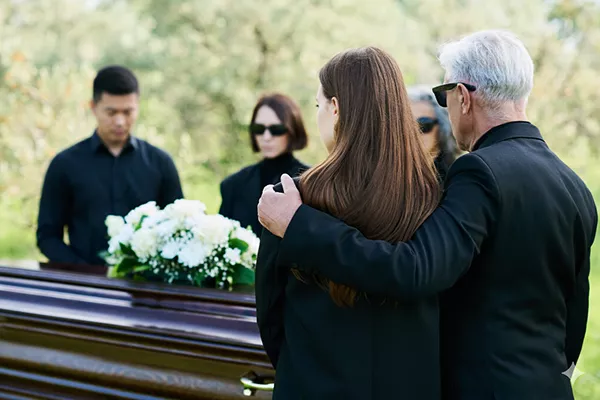
A funeral or memorial service is a chance to honour your loved one's life and say goodbye in a way that feels meaningful. Services can be religious, secular, traditional, or completely unique - there's no single right way to do this.
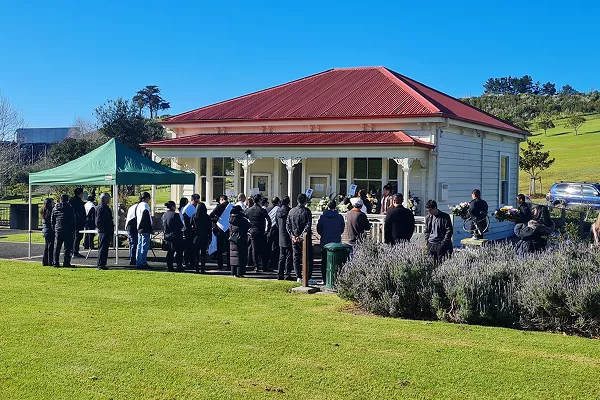
You'll need to consider where to hold the service (funeral home, church, cemetery chapel, or family home), who will lead it (celebrant, minister, or family member), and what elements to include (music, readings, eulogies, or photo displays).
Your funeral director will help coordinate these details. Many families find comfort in involving multiple people - sharing memories, choosing songs together, or creating a photo slideshow. Others prefer a simpler, more private gathering.
Remember, this service is for you and your family. Make choices that feel authentic to the person you're honouring and that will bring comfort to those who attend.
You'll need to consider where to hold the service (funeral home, church, cemetery chapel, or family home), who will lead it (celebrant, minister, or family member), and what elements to include (music, readings, eulogies, or photo displays).
Your funeral director will help coordinate these details. Many families find comfort in involving multiple people - sharing memories, choosing songs together, or creating a photo slideshow. Others prefer a simpler, more private gathering.
Remember, this service is for you and your family. Make choices that feel authentic to the person you're honouring and that will bring comfort to those who attend.
Understanding Costs and Options
Funeral costs vary significantly depending on your choices. Basic services (professional fees, transport, documentation) are fairly standard, but the overall cost increases with additional elements like caskets, flowers, venue hire, catering, and memorial products.
Don't be afraid to ask for an itemised quote and to discuss what's essential versus optional. A good funeral director will explain costs clearly and help you create a farewell that honours your loved one within your budget.
If finances are a concern, speak openly about this. There are simpler options available that are still dignified and meaningful.
Some financial support may be available through WINZ by applying for their Funeral Grant.
Don't be afraid to ask for an itemised quote and to discuss what's essential versus optional. A good funeral director will explain costs clearly and help you create a farewell that honours your loved one within your budget.
If finances are a concern, speak openly about this. There are simpler options available that are still dignified and meaningful.
Some financial support may be available through WINZ by applying for their Funeral Grant.
You Don't Have to Rush
While some decisions do need to be made relatively quickly, you have more time than you might think. Take a breath. Ask for help. It's okay to say "I need a day to think about this" or "Can you explain that again?"
The people supporting you through this process understand that you're grieving. They expect questions, uncertainty, and emotion. Give yourself permission to take this one step at a time.
The people supporting you through this process understand that you're grieving. They expect questions, uncertainty, and emotion. Give yourself permission to take this one step at a time.

What Happens After the Funeral
Once the immediate arrangements are behind you, there's still work ahead - practical matters like notifying government agencies, closing bank accounts, and dealing with your loved one's estate. Grief support may become more important as things quieten down and the loss becomes more real.
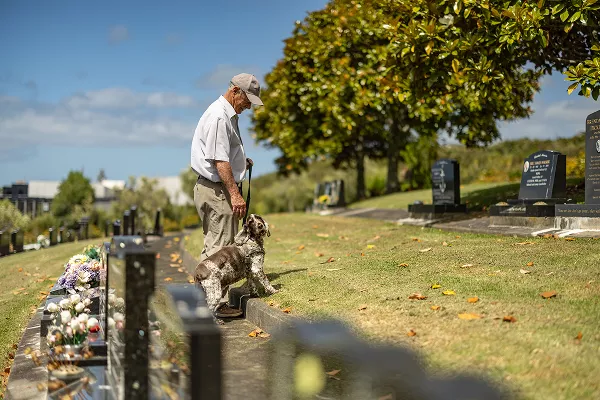
Many families find comfort in returning to their loved one's resting place regularly. Whether for significant dates, quiet reflection, or simply to tend the grave, having a physical place to visit can be an important part of healing.
Remember that grief doesn't follow a timeline. Be gentle with yourself in the weeks and months ahead.
Many families find comfort in returning to their loved one's resting place regularly. Whether for significant dates, quiet reflection, or simply to tend the grave, having a physical place to visit can be an important part of healing.
Remember that grief doesn't follow a timeline. Be gentle with yourself in the weeks and months ahead.
We're Here to Support You
Auckland Memorial Park & Cemetery has been providing caring service to families for many years. Whether you're ready to discuss arrangements or simply need someone to talk to about your options, our compassionate team is here to help.
About us
Auckland Memorial Park is owned by a Charitable Trust and managed by Auckland Memorial Park & Cemetery Ltd, with a team of experienced professionals committed to the highest standards of service and care. Led by James Dunn, a qualified funeral director with hands-on experience as a groundsman, gravedigger, and crematorium operator, our team also includes specialists with nursing and family care backgrounds. Together, we are dedicated to supporting families through every stage of planning, from immediate need to
pre-arrangement, always with sensitivity to cultural and religious traditions
pre-arrangement, always with sensitivity to cultural and religious traditions


Contact us
Come and see our serene cemetery in person and find a burial plot that fits your family’s needs. Schedule a tour today.
0800 00 66 88
+64 9 426 9383
Address
2163 East Coast Road
Silverdale
Auckland 0993
Silverdale
Auckland 0993